

DIY tips for maintaining optimal tyre pressure
Saving money on fuel and avoiding unexpected flats starts with something as straightforward as getting your tyre pressure right. Accurate pressures put more cash in your pocket, help your car stop and steer properly, reduce the need for frequent replacements, and - most importantly - keep you, your passengers, and other road users safe on Essex’s roads. Regular checks might seem like a small job, but they save time and prevent inconvenient breakdowns.
A couple of minutes with a good gauge can help your vehicle run smoothly and your tyres last longer. Whether you’re doing routine checks at home, preparing for a road trip, or managing a fleet, looking after tyre pressure keeps maintenance simple. If a DIY approach isn’t your thing, or you get an unexpected puncture, rapid-response professionals like Brads Mobile Tyres - and their mobile tyre fitting services across Essex - are always ready to help.
With 24/7 support, local expertise and family-run reliability, you can depend on having mobile tyre fitting available throughout Essex and surrounding counties even at short notice. Ready to make tyre maintenance straightforward? Here’s how to take control, save money, and drive confidently.
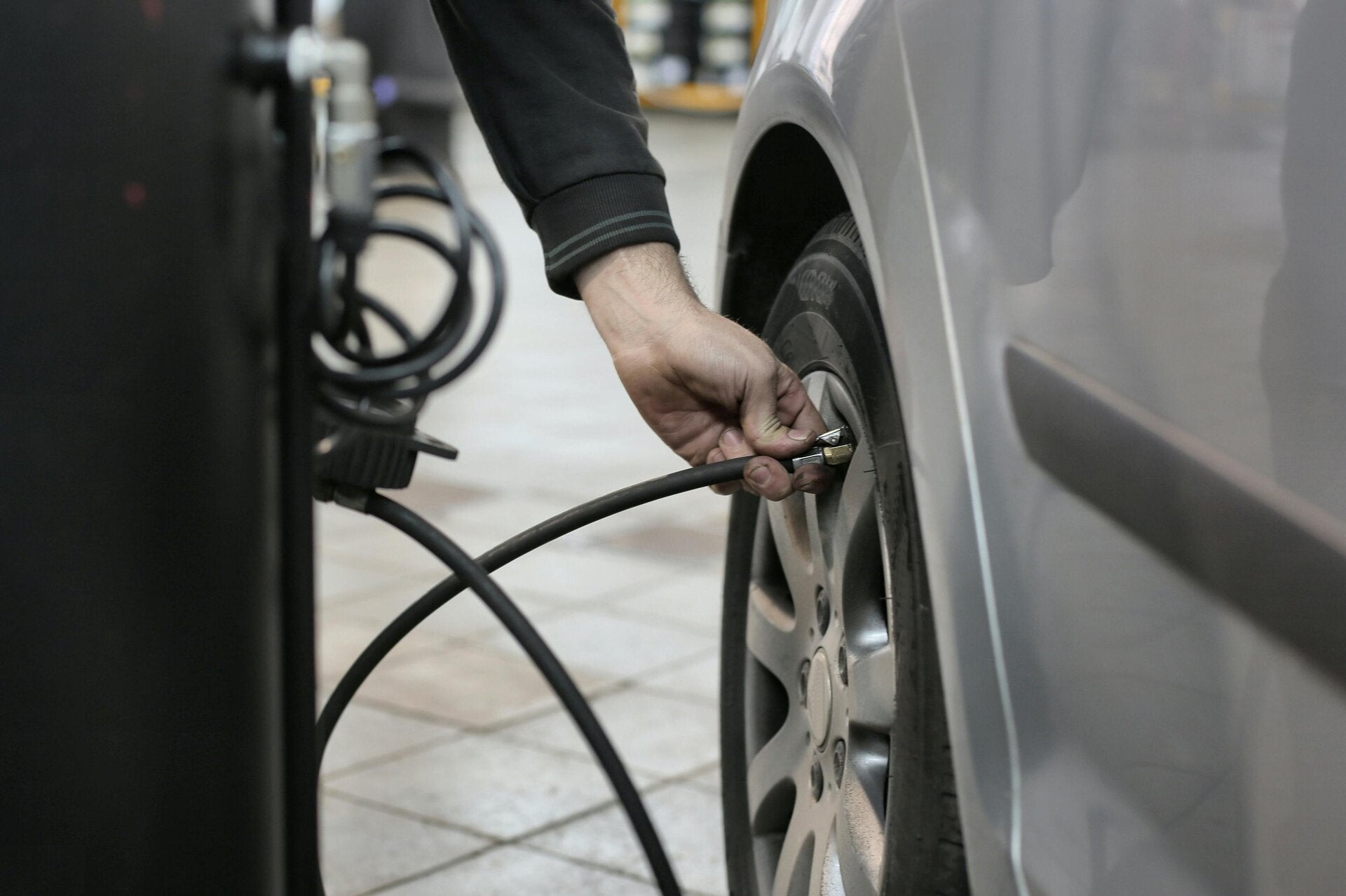
Why Maintaining Proper Tyre Pressure is Essential
Getting the right amount of air in your tyres is one of the easiest and most cost-effective ways to drive safely, keep your car efficient, and avoid expensive repairs. A small oversight with pressure can put you at risk or lead to extra costs.
Benefits of Driving with the Right Pressure
- Better safety: You get reliable grip and shorter stopping distances, which really matter in wet or greasy conditions.
- Improved fuel efficiency: Tyres at the right pressure roll smoothly with less drag, so studies confirm you’ll spend a bit less at the pump.

- Longer-lasting tyres: Even air pressure keeps wear even - so your tyres last their natural lifespan rather than wearing out at the edges or in the middle.
- Smoother journeys: The correct pressure absorbs road bumps, giving you and your passengers a more comfortable ride.
Risks and Dangers of Incorrect Tyre Pressure
- Too little air (underinflation): Increases friction, which overheats the tyre and raises the risk of sudden failure - especially at speed.
- Too much air (overinflation): Makes the tyre hard and less grippy, so stopping distances go up and the tread wears out in the centre.
- Dangerous wear: Any pressure outside the recommended range means you’ll face uneven tread wear and possible handling problems.
Impact on Vehicle Handling and Tyre Wear
- Unsteady handling: Poorly inflated tyres reduce steering precision and grip, especially in corners or under braking.
- Edge or centre wear: Underinflation makes the edges wear out first; overinflation wears down the centre faster.
- Higher risk of punctures: Weak, mis-pressurised tyres are much more likely to fail after a sharp pothole or debris.
Staying on top of pressure pays off quickly. If you’re concerned about a slow puncture, hidden damage, or can’t get to a garage, a quick tyre safety check by a trusted provider such as Brads Mobile Tyres can make all the difference. Need urgent help? The 24 hour emergency tyre fitting service is just a call away to get you back on the road, anytime.
How to Find the Recommended Tyre Pressure for Your Vehicle
You shouldn’t guess your tyre pressure or trust the number stamped on the tyre alone. Every vehicle has unique pressure needs based on its size, weight, and design. Using the correct values keeps everything working as it should.
Checking the Driver’s Door Jamb Sticker
- Open the driver’s door and look for a pressure sticker (often black and white or yellow) on the door edge or the frame.
- It lists front and rear tyre pressures - sometimes offering different numbers for a loaded car or while towing.
Consulting the Vehicle Owner’s Manual
- Flip to the maintenance, tyres, or technical specs section.
- Look for the “cold inflation” pressures given in either PSI (pounds per square inch) or BAR.
- Some manuals may mention different values for motorway use or extra passengers.
Other Common Locations
- Some cars print pressure advice inside the fuel filler cap or the glove compartment.
- Vans and some SUVs will have two sets of numbers: normal driving and when heavily loaded.
Always use the car manufacturer’s sticker or manual, not the maximum number on the tyre sidewall (that’s the tyre’s upper safety limit, not the recommended daily setting). If your sticker is missing or hard to read, calling a mobile tyre fitter like Brads Mobile Tyres for an accurate check is a safe move before your next drive.
Essential Tools for Checking and Adjusting Tyre Pressure
You only need a few simple tools to keep your tyres in top condition. Good equipment makes every check clearer and quicker, and helps you spot problems early.
Choosing the Right Tyre Pressure Gauge
- Digital gauges: Offer easy-to-read numbers, are more accurate, and ideal for home use.
- Dial/analogue gauges: Reliable if sturdy, but check for calibration.
- Minimum range: Make sure your gauge reads comfortably up to at least 60 PSI - enough for most standard and spare tyres.
Using Portable Air Compressors or Pumps
- Plug-in or rechargeable compressors: Quick solutions for topping up at home or on the go.
- Hand and foot pumps: Workable for emergency use but take longer.
- Some compressors include built-in pressure gauges - always cross-check with your separate gauge for accuracy.
Additional Accessories Like Valve Caps
- Valve caps: Stop dust and moisture from sneaking into the valve - always pop them back on tightly.
- Torch or headlamp: Handy for pressure checks on dark mornings, evenings, or in car parks.
A small kit can ride with you in your glove box or boot. For Essex drivers, this makes roadside pressure checks easy and stress-free.

Step-by-Step Guide to Checking and Adjusting Your Tyre Pressure
Tackling tyre pressure is easier than you might think. With a careful approach, you can handle everything safely and confidently.
When to Check - Ensuring Tyres Are Cold (Parked 6+ Hours)
- Tyres need to be “cold” before you check - this means parked for at least six hours or first thing in the morning.
- If you’ve only just parked, the readings will be artificially high due to heat build-up from driving.
Checking Spare Tyres and Special Cases
- Don’t forget your spare, especially if it’s a “space saver” - these often need much higher pressure (50–60 PSI).
- Check run-flats or special tyres according to the car’s handbook. For business vehicles, include every fleet car or van in your monthly check and consider routine fleet vehicle checks for total peace of mind.
How to Measure Pressure Accurately (Multiple Readings)
- Remove the dust cap and firmly push your gauge onto the valve stem.
- Take two or three readings on each tyre to confirm a consistent result.
- Record the numbers for each wheel.
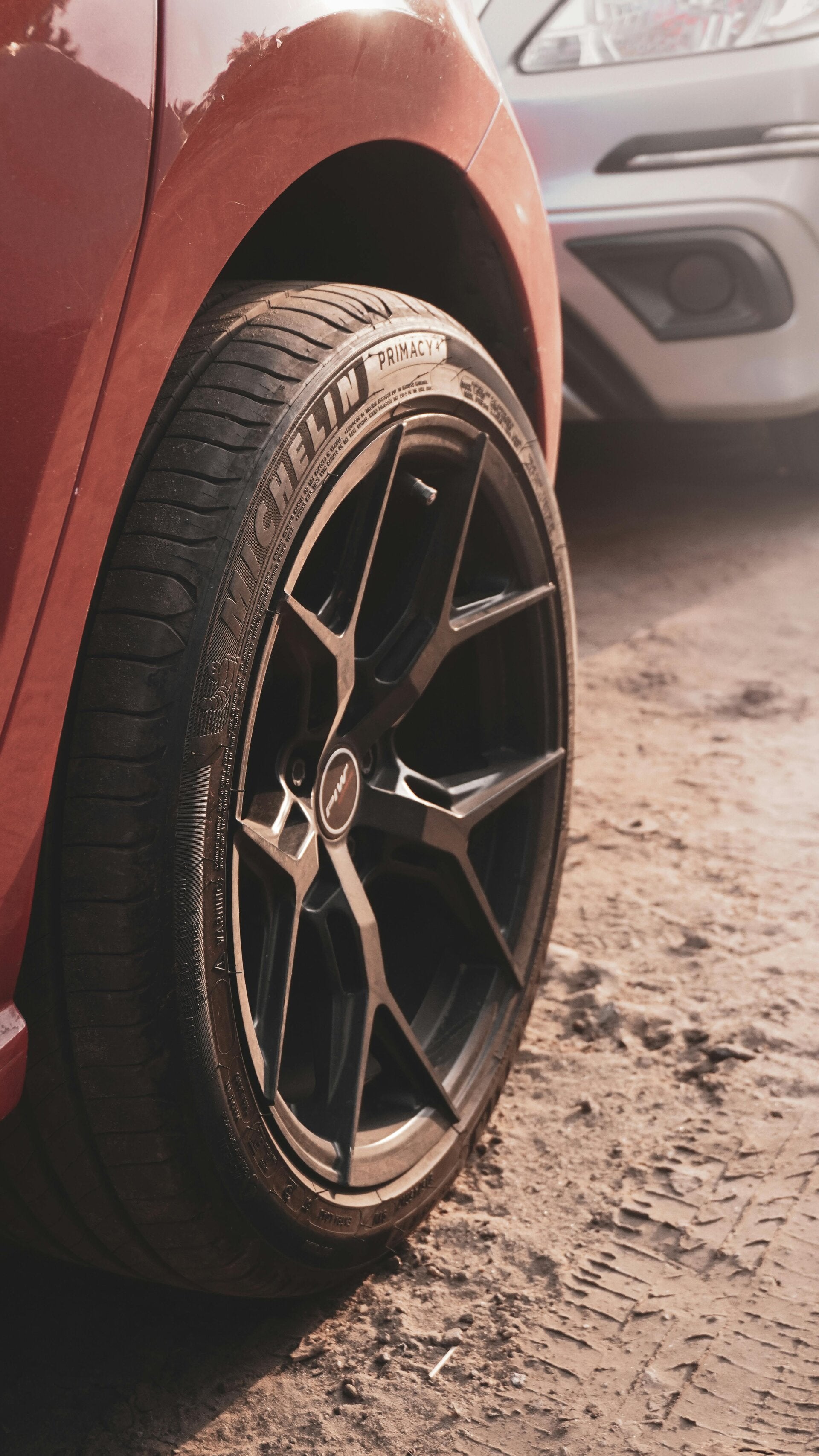
How to Release Excess Air (Pressing Valve Core Briefly)
- Press the central pin in the valve stem with the gauge or a fingernail; release air for no more than half a second each time (to avoid dropping too low).
- Check and adjust as necessary until your readings match what’s recommended for your car.
How to Add Air Safely (Using Inflator Lever)
- Connect your compressor or pump tightly to the valve and add air in brief bursts (a few seconds).
- Re-check after each burst, as high-pressure pumps can work fast.
Replacing Valve Caps Securely
- Always screw the valve cap back on to prevent leaks and keep dirt out.
Safety Notes
- If you spot any bulges, cracking, or damage while checking, it’s safest not to drive until they’re looked at by a professional.
- In emergencies where you can’t inflate or fix a tyre yourself, reliable emergency tyre replacement is available from trusted local experts.
Maintaining Optimal Tyre Pressure Over Time
Good habits make tyre maintenance effortless. Set reminders and get familiar with local weather effects to keep pressure on target.
Monthly Checks and Before Long Journeys
- Set a reminder to check each tyre every month.
- Always check before a long trip, day out, or if you’re towing.
Adjusting for Seasonal Temperature Changes
- Pressure drops by roughly 1 PSI for every 10°C temperature drop, so expect to inflate a little more in winter.
- Warm weather can show higher than actual values - wait for tyres to be cold and check again.
Monitoring Tyre Pressure with TPMS and When to Manually Inspect
- Most modern cars have a Tyre Pressure Monitoring System (TPMS). Sensors can sometimes read a little high or low, so check manually with your gauge monthly.
- After you adjust the pressure, take a short drive for the TPMS to reset.
Importance of a Short Drive After Adjustment to Reset Sensors
- Many car systems clear warning lights after you drive for a few minutes some may take a 20 minute drive with the right pressures, or have to be set or reset manually via vehicle settings(my vehicle does i have tell it all pressures are correct after topping up or changing tyre).
- If a warning stays on, check for another slow puncture or sensor problem, or check manual to see if it needs to be manually reset.
Routine maintenance keeps your fuel bills lower and your journeys safer, with less chance of breakdowns.
Common Mistakes to Avoid When Maintaining Tyre Pressure
Knowing what not to do can save you money and protect your tyres.
- Checking tyres when hot: This leads to incorrect, overinflated readings. Always check “cold” - ideally before you drive.
- Using sidewall numbers: Never use the maximum figure printed on your tyre, as it’s for the tyre’s limit, not your car’s needs.
- Forgetting the spare: A flat spare isn’t much use - always include it in your checks.

- Trusting petrol station pumps: These public pumps can be badly calibrated. Always double-check with your own reliable gauge.
- Ignoring TPMS warning lights: Get warnings checked promptly and don’t drive far until you know your tyres are safe.
- Letting out too much air too quickly: This often leads to underinflation. Go slowly, check in short bursts.
- Skipping valve caps: Missing caps invite dust and moisture, which can cause faults over time.
Keep these simple tips in mind and you’ll get the most from each set of tyres, with fewer unwanted surprises.
FAQ: Quick Answers to Your Tyre Pressure Questions
-
How often should I check tyre pressure?
At minimum, check monthly and before longer journeys or heavy loads. -
Where is the tyre pressure info on my car?
Look for a sticker on the driver’s door edge, inside the fuel filler flap, in the glove compartment, or check your owner’s manual. -
Can I check pressure right after driving?
No. Wait six hours after driving, or until the tyres are completely cool, for accurate readings. -
What gauge should I buy?
Choose a digital or dial gauge that clearly reads up to 60 PSI; digital models are usually best for clarity and ease. -
Does tyre pressure affect fuel economy?
Yes, it does - better maintained pressures mean smoother rolling and less drag, reducing fuel consumption. -
How to handle TPMS warnings?
Use your hand gauge to check all four tyres plus the spare, inflate as needed, then drive a short distance. Persistent warnings may mean a slow puncture or a faulty sensor - schedule a check if it continues.
Tyre Pressure Quick Reference Table
Standard Car Tyres
-
Typical PSI Range: 32–36 PSI
-
Check Frequency: Monthly and before long trips
-
Notes: Always use the pressure listed on the driver’s door sticker or vehicle handbook. Check tyres when cold.
Compact Spare Tyres
-
Typical PSI Range: 50–60 PSI
-
Check Frequency: Before each use
-
Notes: Spare tyres require higher pressure to be safe for temporary road use.
Heavy Load / Van Tyres
-
Typical PSI Range: 35–45 PSI
-
Check Frequency: Weekly if regularly carrying heavy loads
-
Notes: Vehicles used for commercial or heavy-duty work may require higher pressure.
TPMS-Equipped Vehicles
-
Typical PSI Range: Follow manufacturer specifications
-
Check Frequency: Monthly
-
Notes: Reset the TPMS system after adjusting tyre pressure if required.
Please remember, these are just indicative figures - always check your own vehicle’s recommendations and follow the advice in your manual.
Sometimes, even the best-kept tyres might need a check from a professional - especially if you keep losing pressure, spot damage, or notice anything out of the ordinary. Explore professional tyre replacement options if you’re unsure, as professional guidance adds peace of mind before a trip or MOT.
Drivers from Romford to Chigwell, Brentwood, Rainham and all across Essex can benefit from family-run, 5-star-rated service with same day or next day appointments. Brads Mobile Tyres is proud to offer prompt, reliable support wherever you are - with flexible bookings, clear advice, and a real focus on customer safety.
If you have a tyre concern, want a hands-on demonstration, or need urgent help at home, work or roadside, simply get in touch with Brads Mobile Tyres by phone, email or WhatsApp. Local, experienced and always happy to help, Brads Mobile Tyres puts your safety and comfort first - so you can drive with complete confidence every journey.
Add comment
Comments