

How to properly check tyre tread depth-brads mobile tyres
How to Properly Check Tire Tread Depth at Home
Your tires are one of the most critical safety components of your vehicle, yet many drivers neglect to check their tread depth until it's too late. Worn tires significantly reduce your vehicle's handling, increase braking distance, and dramatically raise the risk of blowouts-especially in wet or slippery conditions. The good news? Checking your tire tread depth at home is simple, requires minimal tools, and takes just a few minutes. This guide walks you through every method available, from free coin-based tests to precise measurement tools, so you can confidently assess whether your tires are safe or need replacement.
Why Tire Tread Depth Matters for Your Safety
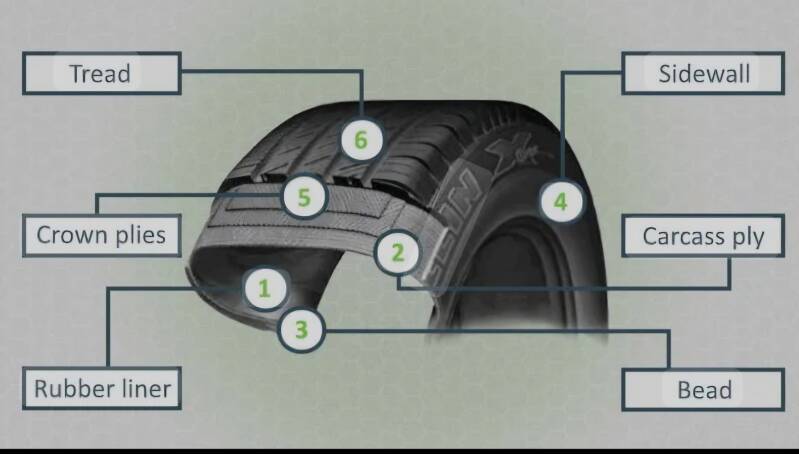
Before learning how to check your tyre tread, it is important to understand why tread depth is essential for safe driving. Tyre tread is the grooved rubber that makes direct contact with the road surface. These grooves play a vital role by channelling water away from the tyre, helping maintain grip and traction, particularly in wet or rainy conditions.
New tyres typically have a tread depth between 8mm and 9mm. As you drive, this tread gradually wears down over time. The difference in handling and braking performance between new tyres and tyres worn to the UK legal minimum of 1.6mm can be significant. Low tread depth reduces road grip, increases stopping distances, and raises the risk of tyre failure or blowouts.
Many road safety experts recommend replacing tyres when they reach around 3mm of tread depth, rather than waiting until they reach the legal limit. At this stage, tyres still provide reasonable performance, but grip, particularly in wet weather, begins to decline noticeably.
Method 1: The Coin Test – Quick Legal Minimum Check
The coin test is a simple and widely known way to check tyre tread depth at home. It only takes a few seconds and requires a coin such as a 20p piece.
How to Perform the Coin Test
-
Locate a tread groove on your tyre. These are the channels running across the tyre surface that help disperse water and maintain grip.
-
Take a 20p coin and insert it into the tread groove.
-
Push the coin into the tread as far as it will go.
-
Check whether you can see the outer rim of the coin.
If the outer rim of the 20p coin is visible, your tyre tread may be below the UK legal limit and should be checked or replaced as soon as possible.
Important Limitation
The coin test only shows whether your tyre is close to or below the legal minimum tread depth. It does not give an exact measurement or confirm whether your tyres are still safe for continued driving. For a more accurate result, it is recommended to use a tread depth gauge or have your tyres inspected by a professional.

Why Use the 20p Test?
The 20p test gives you an earlier warning than simply checking for the legal limit. It allows you to plan ahead, avoid unexpected tyre failures, and maintain safer driving conditions. This method is particularly useful if you drive long distances or frequently travel in wet or challenging weather conditions.
This test checks the absolute legal minimum, not overall tyre safety. Tyres can still be worn and less effective in wet weather even if they pass this test.
Always check several areas around the tyre, including the centre and both edges. Tyres can wear unevenly, and checking multiple points helps identify potential issues early.
Method 2: The 20p Test – An Early Warning System
The 20p test is similar to the basic coin test but provides a more practical safety guideline. It helps identify when your tyre tread is becoming worn and when you should begin planning for tyre replacement, rather than waiting until you reach the legal minimum tread depth.
How to Perform the 20p Test
-
Locate a tread groove on your tyre.
-
Insert a 20p coin into the groove.
-
Push the coin into the tread as far as it will go.
-
Check whether you can see the outer rim of the coin.
What the Results Mean
If you can see the outer rim of the 20p coin:
Your tread depth may be approaching the recommended replacement level. While your tyres may still be legal, this is a strong indication that you should begin considering new tyres soon. Depending on your driving habits and mileage, you may still have some safe driving time remaining, but it is wise to start planning and budgeting for replacement.
If the tread covers the outer rim of the coin:
You likely still have a safe amount of tread remaining, and your tyres should continue to perform effectively.
Method 4: Tread Depth Gauge – The Most Accurate Option
For the most precise measurement of tyre tread depth, a tread depth gauge is considered the most reliable method. These inexpensive tools are widely available from motor factors and online retailers, providing accurate measurements in millimetres.
Types of Tread Depth Gauges
Most tread depth gauges look similar to a small pen or syringe with a metal probe that extends from the main body. When inserted into a tread groove, the gauge displays the exact tread depth in millimetres, which is the standard measurement used in the UK.
How to Use a Tread Depth Gauge
-
Purchase a tread depth gauge from a motor factors store or online retailer (they are usually inexpensive).
-
Place the metal probe into the centre of a tread groove on your tyre.
-
Press the base of the gauge flat against the tyre, ensuring it makes firm contact with the tread blocks on either side.
-
Read the measurement shown on the gauge and note the result.
-
Carefully remove the gauge without pressing on the probe.
-
Repeat this process at several locations around the tyre, ideally checking at least three different points.
-
Compare or average the readings to determine your tyre’s overall tread depth.
Interpreting Your Measurements
6mm or more:
Excellent tread depth. Your tyres are in very good condition.
Around 3mm:
You should begin considering tyre replacement soon. Your tyres are still safe, but performance, particularly in wet conditions, may start to decline.
1.6mm or less:
Your tyres are at or below the UK legal minimum tread depth and must be replaced immediately.
Why Use a Tread Depth Gauge?
A tread depth gauge provides an exact measurement of how much tread your tyres have remaining. This allows you to plan replacements in advance rather than reacting to sudden tyre failure. It can also help identify uneven wear, which may indicate alignment, suspension, or tyre pressure issues.
Method 3: Tyre Wear Indicator Bars – Built-In Safety Feature
Most modern tyres are fitted with tyre wear indicator bars. These are small raised rubber strips moulded into the tread grooves and positioned across the tyre at intervals. They are designed to show when your tyre tread has worn down to the legal minimum depth.
These indicators are set at 1.6mm, which is the UK legal minimum tread depth.
How to Check Tyre Wear Indicator Bars
-
Visually inspect the tread grooves of your tyre.
-
Look for small rubber bars running across the grooves at the bottom of the tread.
-
Check whether these bars are level with the surrounding tread pattern.
What the Results Mean
If the indicator bars are level with the tread surface:
Your tread depth has worn down to 1.6mm, which is the legal minimum. Your tyres should be replaced immediately to remain road legal and safe.
If the indicator bars are still below the tread surface:
Your tyres still have more than 1.6mm of tread remaining and are likely safe to continue driving on. However, it is still important to monitor wear regularly.
Advantage of This Method
The main advantage of tyre wear indicator bars is that they require no tools or equipment. You simply need to visually check your tyres, making this one of the quickest checks you can carry out.
However, like the coin test, this method only alerts you once your tyres have reached the legal limit. It does not provide early warning of declining tyre performance, so it is best used alongside other tread depth checks.
Understanding Uneven Tyre Wear Patterns
When checking tread depth at different points around your tyre, you may notice that some areas are more worn than others. Uneven tyre wear can often indicate underlying vehicle issues that should be addressed as soon as possible.
Centre Tread More Worn Than Outer Edges
If the centre grooves of your tyre appear more worn than the edges, this usually indicates overinflation, meaning your tyres may have too much air pressure. Overinflated tyres can reduce grip and cause the tyre to wear unevenly. You should check your tyre pressure and adjust it to your vehicle manufacturer’s recommended level.
Outer Edges More Worn Than the Centre
If both outer edges of the tyre are more worn than the centre, this often suggests underinflation, meaning the tyre pressure is too low. Driving with underinflated tyres can reduce fuel efficiency, increase wear, and affect vehicle handling.
Inner or Outer Edge Wearing Faster
If one side of the tyre (either the inner or outer edge) is wearing faster than the rest, this may indicate a wheel alignment or suspension issue. Poor alignment can cause tyres to wear unevenly and may affect steering and vehicle stability. It is recommended to have your alignment checked by a professional to prevent further tyre damage and maintain safe driving conditions.
Why Uneven Tyre Wear Matters
Spotting uneven wear early allows you to correct the underlying issue before it shortens the lifespan of your tyres or compromises vehicle safety. Regular tyre inspections can help you avoid costly replacements and improve overall driving performance.

Recommended Tyre Tread Depth Benchmarks
Understanding how tread depth affects safety helps you make informed decisions about when to replace your tyres.
6mm or more:
Your tyres have plenty of tread remaining and should perform well in most driving conditions.
Around 3mm:
This is the stage where you should begin planning for tyre replacement, particularly if you regularly drive in wet weather or at motorway speeds. Grip and braking performance can start to decline below this level.
1.6mm:
This is the UK legal minimum tread depth. Driving below this limit is illegal and unsafe. Tyres should be replaced immediately.
Many road safety organisations recommend replacing tyres at around 3mm rather than waiting until they reach the legal limit, as wet weather performance reduces significantly once tread depth falls below this level.
How Often Should You Check Your Tyres?
Best practice: Check your tyre tread depth once a month or before long journeys. Regular checks help you spot wear early and avoid unexpected tyre problems.
If you notice rapid or uneven tyre wear, you should check your tyres more frequently. Issues such as poor wheel alignment, incorrect tyre pressure, or aggressive driving can cause tyres to wear much faster.
What to Do When It’s Time for New Tyres
Once you’ve identified that your tyres need replacing, consider the following guidelines:
Replace Tyres in Pairs or Sets
Replacing all four tyres at the same time is ideal. If this isn’t possible, it is recommended to replace tyres in pairs to maintain balanced handling and stability.
Match the Correct Tyre Size and Specification
Always use tyres that match your vehicle manufacturer’s recommended size, load rating, and speed rating. You can find this information inside the driver’s door frame or in your vehicle handbook.
Consider Professional Fitting
Professional tyre fitting ensures correct installation, balancing, and valve replacement. Proper fitting helps extend tyre life and improves vehicle safety.
At Brad’s Mobile Tyres, we provide professional tyre replacement and fitting services at your home, workplace, or roadside. Whether you need a single tyre or a full set, our experienced technicians can help you choose the right tyres for your vehicle and driving needs.
Taking Action for Safer Driving
Checking your tyre tread depth is one of the simplest yet most important vehicle maintenance tasks you can carry out. Whether you use a coin test, visual inspection, or tread depth gauge, regular tyre checks help identify wear before it becomes a safety risk.
Make tyre inspections part of your regular vehicle maintenance routine. If your tyres are approaching 3mm tread depth or showing signs of uneven wear, it is best to plan for replacement sooner rather than later. Safe tyres improve handling, shorten braking distances, and reduce the risk of tyre failure.
For professional tyre fitting and expert advice, contact Brad’s Mobile Tyres today. Our team is ready to help keep your vehicle safe, roadworthy, and performing at its best.
Add comment
Comments